The Quest for Soft-Boiled Egg Perfection: What You Need to Know First
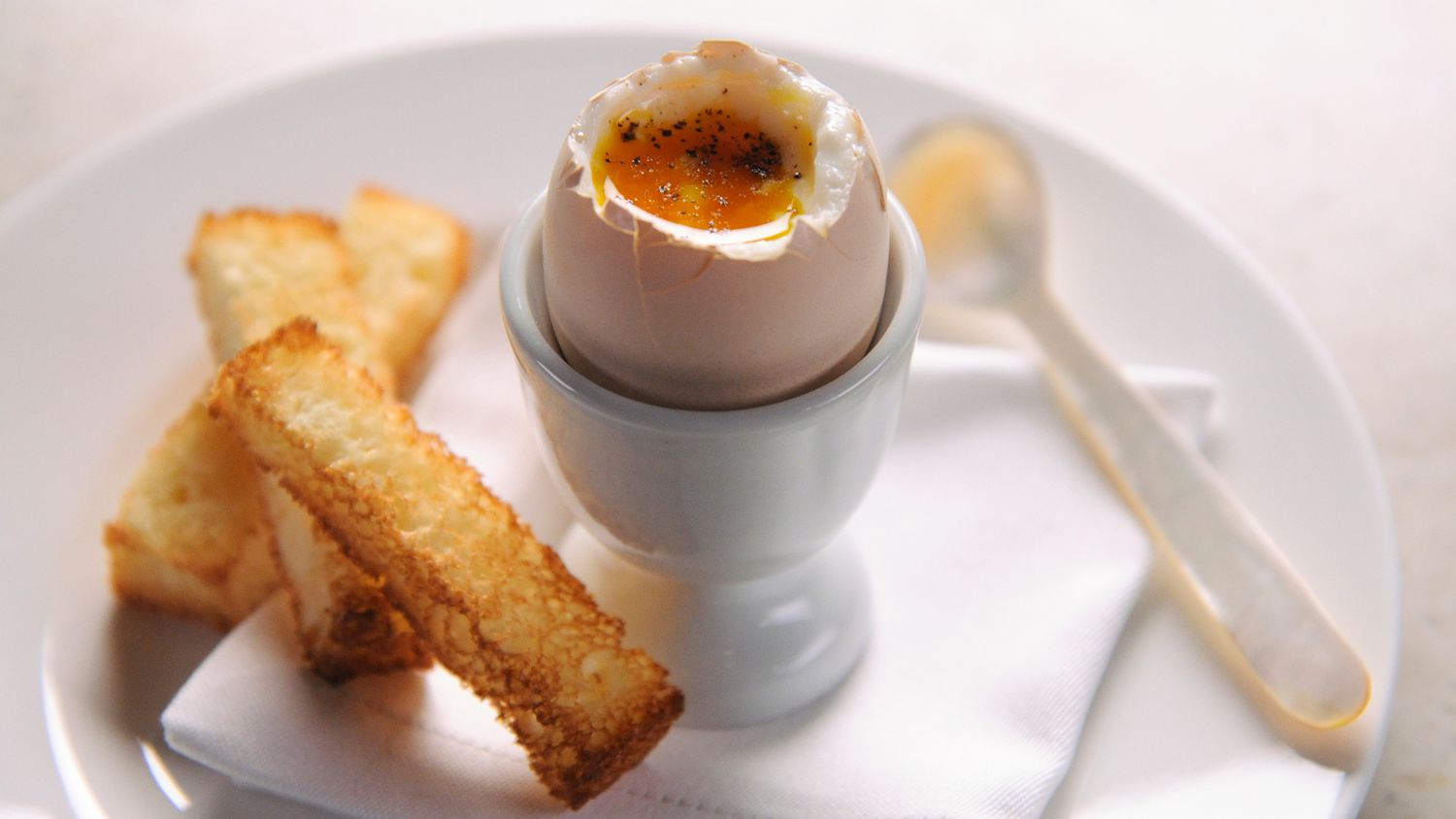
The humble egg, when cooked to soft-boiled perfection, transforms into a culinary delight. Imagine a creamy, slightly runny, "jammy" yolk nestled within a perfectly just-set white. This texture elevation can turn a simple breakfast into an elegant experience or elevate dishes like ramen, hearty grain bowls, or even just classic toast fingers. But achieving this delicate balance, especially with the added challenge of easy peeling, often sparks a debate among home cooks: is it better to boil or steam your
soft boiled eggs? Let's crack into the details to uncover the best method for you.
Choosing Your Eggs Wisely: Freshness and Safety
Unlike hard-boiled eggs, where older eggs (two weeks post-lay) are often recommended for easier peeling, *fresh eggs* are paramount for soft-boiled preparations. The fresher the egg, the better its structural integrity and the lower the chance for bacterial growth, which is crucial when consuming a runny yolk. Look for pasteurized eggs to further minimize any microbial risk, as soft-boiled eggs typically don't reach the food-safe temperature of 165°F throughout. Always check the "best by" date for optimal freshness.
Understanding the Ideal Soft-Boiled Texture
Before we dive into cooking methods, let's define what we're aiming for. A truly perfect soft-boiled egg boasts a yolk that ranges from vibrantly liquid to a thick, custard-like jamminess, while the whites are fully set but tender, never rubbery. This delicate balance requires precision, as even a minute too long can lead to an overcooked yolk and a disappointing experience.
The Peeling Predicament: Why Soft-Boiled Eggs Are Tricky
Anyone who has tried to peel a soft-boiled egg knows the struggle. The delicate whites often stick to the shell, tearing away precious bits of the egg and making for a messy presentation. This difficulty often leads to the traditional serving method in egg cups, where you simply tap off the top and scoop out the delicious contents. However, for dishes like ramen or salads, where a peeled egg is essential, an easy-peel method becomes a game-changer.
Method 1: The Classic Boil – Achieving Perfect Soft Boiled Eggs
The boiling method is what most people first imagine when cooking eggs. It's a straightforward process, but getting those *soft boiled eggs* just right requires attention to detail.
Step-by-Step Boiling Technique
1.
Prepare Your Eggs: Carefully place your fresh eggs in a single layer at the bottom of a medium pot. Using a slotted spoon to gently lower them can prevent cracking.
2.
Cold Water Start: Fill the pot with cold water, ensuring the eggs are covered by about one inch.
3.
Bring to a Boil: Place the pot over medium-high heat and bring the water to a rapid, rolling boil.
4.
Cook & Cover: As soon as the water reaches a rapid boil, immediately turn off the heat completely. Cover the pot with a lid and set your timer.
5.
The Ice Bath: Once the timer goes off, swiftly remove the eggs using a slotted spoon and transfer them to an ice bath (a bowl of ice water). This crucial step immediately halts the cooking process, preventing overcooking, and also makes the eggs easier to handle and potentially peel. Keep them in the ice bath for at least 30 seconds.
6.
Serve: Remove the eggs from the ice bath and serve them warm, either in egg cups or, if successfully peeled, as part of your desired dish.
Boiling Time Guidelines for Varying Yolks
The precise cooking time is critical and depends on the size of your eggs and your preferred yolk consistency:
*
Medium Eggs: 3 to 4 ½ minutes
*
Large Eggs: 4 to 5 minutes
*
Jumbo Eggs: 4 ½ to 6 minutes
For a consistent and reliable result with tender whites and a perfectly liquid yolk every single time, many culinary experts advocate for a precise six-minute cook time for large eggs, especially when starting with cold water and following the heat-off-and-cover method. For more on this, check out our guide on
Perfect Soft-Boiled Eggs: 6-Minute Secret for Firm Whites & Liquid Yolks.
Pros of Boiling: It's a familiar method, requires minimal specialized equipment, and is relatively quick to initiate.
Cons of Boiling: The agitation of boiling water can sometimes lead to cracked shells, and as mentioned, peeling can be notoriously difficult.
Method 2: Steaming – The Secret Weapon for Easy Peeling Soft Boiled Eggs
Steaming has emerged as a strong contender, and often the preferred method, for cooking *soft boiled eggs*, primarily because it's gentler and consistently yields easier-to-peel results. Many chefs and home cooks swear by its foolproof nature.
Step-by-Step Steaming Technique
1.
Set Up Your Steamer: Pour about an inch of water into a pot and bring it to a simmer. Place a colander or a bamboo steamer basket over the simmering water, ensuring the water does not touch the bottom of the steamer.
2.
Add Eggs: Once the steam is visibly rising through the steamer basket, carefully add your fresh eggs to the basket. Make sure they are in a single layer, not crowded.
3.
Steam & Time: Cover the steamer with a lid and set your timer according to your desired yolk consistency.
4.
The Ice Bath: As with boiling, an immediate ice bath is essential. Once cooked, transfer the eggs to an ice bath for 30 seconds if you plan to serve them in their shells. If you intend to peel them, let them cool in the ice bath until they are comfortable to handle.
5.
Peel & Serve: For easy peeling, gently tap the wide end of the egg on a hard surface and start peeling from there under cold running water. Serve warm.
Steaming Time Guidelines for Your Desired Yolk
Steaming times can be slightly different from boiling times but offer a similar range for customization:
*
Super Runny Yolk: 4 to 6 minutes
*
Partially Cooked, Jammy Yolk: 6 to 8 minutes
Pros of Steaming: The gentler cooking process significantly reduces the risk of cracked shells. Crucially, steaming makes *soft boiled eggs* much easier to peel, making them perfect for adding to ramen, salads, or avocado toast. It's often cited as more foolproof for consistent results.
Cons of Steaming: Requires a steamer basket or a colander that fits snugly over your pot.
Boiling vs. Steaming: Which Method Reigns Supreme for Your Soft Boiled Eggs?
When it comes to deciding between boiling and steaming for your *soft boiled eggs*, the choice often comes down to personal preference and your priorities, particularly concerning the notoriously tricky peeling process.
The Verdict on Easy Peeling
Steaming is the undisputed champion for easy peeling. The gentler, more consistent heat transfer from steam, compared to the direct immersion and agitation of boiling water, seems to create a subtle separation between the egg white and the inner membrane of the shell. This makes for a much smoother, less frustrating peeling experience, preserving the delicate egg white. If you plan to peel your *soft boiled eggs* for dishes like ramen, salads, or as a garnish, steaming is the superior method.
Consistency and Control
Both methods can produce fantastic results, but many cooks find steaming to be more consistent and foolproof. The steam provides a more stable temperature environment, reducing variables that can lead to over or undercooking. With boiling, the exact moment of "rapid boil" and the immediate turning off of heat are critical.
Equipment and Convenience
Boiling requires only a pot and water, making it accessible to virtually anyone. Steaming, while highly effective, does necessitate a steamer basket or a similar setup. If you're looking for the absolute simplest method with minimal equipment, boiling might be your initial go-to. However, the investment in a basic steamer is well worth the payoff in peelability and consistency.
Beyond the Basics: Expert Tips for the Ultimate Soft-Boiled Egg Experience
*
Room Temperature Eggs: For more even cooking and to reduce the risk of cracking (especially if starting with hot water or steam), allow your eggs to come to room temperature for about 15-30 minutes before cooking.
*
Gentle Handling: Always use a slotted spoon to place and remove eggs from the cooking vessel and ice bath.
*
The Ice Bath is Non-Negotiable: Regardless of whether you boil or steam, an immediate ice bath is crucial. It stops the cooking process dead in its tracks, preventing that unwanted green ring around the yolk, and tightens the membrane, aiding in peeling.
*
Immediate Consumption: *Soft boiled eggs* are best enjoyed immediately after cooking for peak flavor and texture.
*
Food Safety First: As mentioned, since the yolks remain runny, it's wise to use fresh, pasteurized eggs to minimize any food safety risks. For those with compromised immune systems or who are particularly sensitive, fully cooked eggs are always the safest option.
Conclusion
Whether you prefer the traditional boiling method or the increasingly popular steaming technique, achieving the perfect *soft boiled egg* is a culinary reward. While boiling is familiar and quick, steaming often takes the crown for its gentler cooking, more consistent results, and — critically — its ability to deliver an easily peeled egg. Experiment with both methods to discover which one best fits your kitchen routine and yields your ideal jammy yolk. Once you master the technique, you'll elevate countless meals with this simple yet sophisticated protein powerhouse.