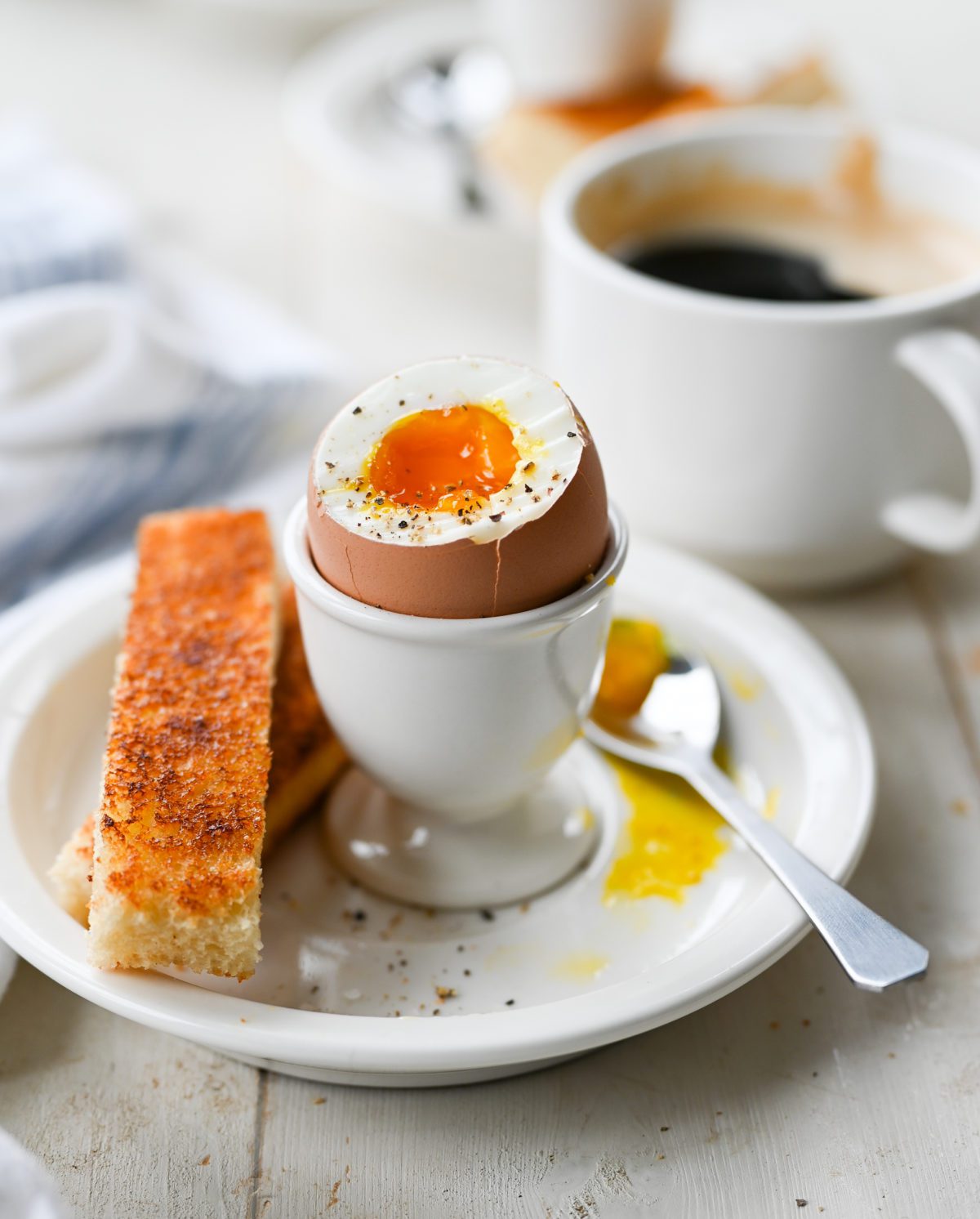
Master Soft-Boiled Eggs: Boil or Steam for Jammy Perfection
There are few culinary delights as satisfying as a perfectly cooked soft-boiled egg. With its vibrant, jammy yolk that oozes just so, cradled by a tender, barely-set white, it's a testament to simple elegance. This unassuming hero elevates everything from a comforting bowl of ramen to a sophisticated grain bowl, or even a humble plate of toast fingers. But achieving this elusive "jammy perfection" consistently can feel like a delicate art. The good news? It's more science than magic, and we're here to crack the code on the best methods for cooking soft boiled eggs.
The Quest for Perfect Soft-Boiled Eggs: What You Need to Know First
Before diving into the cooking techniques, a couple of crucial factors lay the groundwork for success, directly impacting both the texture and safety of your soft-boiled eggs.
Egg Freshness Matters More Than You Think
When it comes to hard-boiled eggs, slightly older eggs (say, two weeks post-lay) are often preferred because they are notoriously easier to peel. However, for soft-boiled eggs, the opposite is true:
fresh eggs are paramount. Fresh eggs offer superior texture – their whites set more firmly while their yolks maintain that desirable creamy, runny consistency. Furthermore, from a food safety perspective, using fresh, pasteurized eggs is highly recommended. As experts suggest, fresh pasteurized eggs minimize the time bacteria has to grow, making them a safer choice when aiming for an undercooked yolk.
Consistency in Egg Size
While often overlooked, the size of your eggs plays a significant role in determining precise cooking times. A large egg will require a different duration than a medium or jumbo egg to reach the same level of doneness. To ensure uniform results, especially when cooking multiple eggs, try to use eggs of similar size in each batch. This consistency will make your timing guides much more reliable.
Mastering the Methods: Boiling vs. Steaming Soft-Boiled Eggs
When it comes to cooking soft boiled eggs, two primary methods dominate the culinary landscape: traditional boiling and the increasingly popular steaming technique. Both can yield fantastic results, but they each come with their own nuances and advantages.
Traditional Boiling: The Popular Approach
Boiling is perhaps the most common and intuitive method for cooking eggs. It’s what most people first imagine when thinking about cooking eggs in their shells.
*
Method Overview:
1. Place your fresh eggs in a single layer in a medium pot.
2. Fill the pot with cold water, ensuring the eggs are covered by about an inch of water. Starting with cold water helps prevent cracking as the eggs heat up gradually.
3. Set the pot over medium-high heat and bring the water to a rapid, rolling boil.
4. As soon as the water reaches a rapid boil, immediately turn off the heat completely.
5. Cover the pot tightly with a lid and set a timer for the desired cooking duration.
6. Once the timer signals, use a slotted spoon to carefully remove the eggs and plunge them into an ice bath for at least 30 seconds. This crucial step immediately halts the cooking process, preventing overcooking, and also makes the eggs easier to handle.
7. Remove from the ice bath and serve warm.
*
Boiling Times Guideline (for a jammy yolk):
*
Medium eggs: 3 to 4 1/2 minutes
*
Large eggs: 4 to 5 minutes (a common sweet spot for many)
*
Jumbo eggs: 4 1/2 to 6 minutes
*
Pros: Familiar, requires minimal specialized equipment (just a pot and water).
*
Cons: Can be less gentle, increasing the risk of eggs cracking if added directly to boiling water or if the water boils too vigorously. Boiled soft-boiled eggs can also be notoriously harder to peel, leading many to serve them directly in egg cups where the top can simply be knocked off.
*
Expert Tip: For the most consistent results, always start with cold water. When the water begins to boil, carefully lower your eggs into the pot using a slotted spoon if you prefer to start them *after* the boil, though turning off the heat as per the above method is often gentler.
Steaming for Superior Results: The Gentle Giant
While boiling has its merits, many culinary enthusiasts, including chefs, advocate for steaming as a superior method for soft-boiled eggs. It's often described as foolproof, gentler, and yields a fantastic bonus: incredibly easy-to-peel eggs. If you're tired of battling stubborn shells, this method is a game-changer. For a deeper dive into the peeling advantage, consider our article:
Boil or Steam? The Best Soft-Boiled Egg Method for Easy Peeling.
*
Method Overview:
1. Set up a colander, steaming basket, or bamboo steamer over a pot with about an inch of water. Ensure the water won't touch the bottom of the eggs when the steamer is in place.
2. Bring the water to a simmer over medium-high heat until steady steam is coming up through the steamer basket.
3. Carefully add the eggs to the steamer basket, ensuring they are in a single layer and not overcrowded.
4. Cover the steamer with a lid and set your timer for the desired cooking duration.
5. Once cooked, immediately transfer the eggs to an ice bath for 30 seconds if you plan to serve them in their shells, or until cool enough to peel if you want to serve them peeled.
*
Steaming Times Guideline:
*
Super runny yolk: 4 to 6 minutes
*
Partially cooked, jammy yolk: 6 to 8 minutes (many find 6-7 minutes ideal for large eggs)
*
Pros: Foolproof consistency, gentler cooking (less cracking), and significantly *easier to peel* compared to boiled eggs – a major advantage if you're incorporating them into dishes like ramen, salads, or avocado toast.
*
Cons: Requires a steamer setup, which not every kitchen might have readily available (though a simple colander in a pot works).
*
Expert Tip: Always ensure there's enough water in the pot for the entire steaming duration, but not so much that it touches the eggs. The consistent, gentle heat of steam truly makes a difference.
Achieving "Jammy Perfection": Beyond the Timer
Beyond simply choosing a method and setting a timer, several critical elements contribute to that perfect soft-boiled egg experience.
The Ice Bath's Critical Role
Regardless of whether you boil or steam, the immediate transfer to an ice bath is non-negotiable. This rapid cooling serves two vital purposes:
1.
Halts Cooking: It stops the residual heat from continuing to cook the egg, ensuring your yolk remains exactly at your desired level of runniness.
2.
Aids Peeling: For both methods, but especially noticeable with steaming, the sudden temperature change helps the membrane beneath the shell separate from the white, making peeling significantly easier and cleaner.
Peeling Soft-Boiled Eggs: A Gentle Art
Soft-boiled eggs, by nature, are more delicate and therefore harder to peel than their hard-boiled counterparts. However, the steaming method greatly simplifies this. For steamed eggs, after their ice bath, you can often gently tap the wider end of the egg, then roll it on a counter to crack the shell all over. Peel under cold running water – the water helps wash away small shell fragments and further assists the shell in detaching.
The Elusive 6-Minute Egg: A Gold Standard
Many recipes, including those from culinary giants like Serious Eats, tout the "6-minute egg" as the pinnacle of soft-boiled perfection. This precise timing, often achieved through specific boiling or steaming techniques (frequently involving large eggs), aims for firm whites and a liquid yolk every single time. While a fantastic benchmark, remember that your personal setup (pot size, stove intensity, egg temperature) might require slight adjustments of 30 seconds to a minute to truly find *your* perfect 6-minute equivalent. For more on this specific timing and technique, explore our article:
Perfect Soft-Boiled Eggs: 6-Minute Secret for Firm Whites & Liquid Yolks.
Food Safety Considerations
While the allure of a runny yolk is strong, it's important to be mindful of food safety. Like any undercooked animal protein, there's a risk associated with consuming eggs that haven't reached a certain internal temperature. Food safety guidelines generally recommend cooking eggs to 165°F to eliminate microbial risk. Soft-boiled eggs typically fall in the range of 140°F. This is why the emphasis on using
fresh, pasteurized eggs is so crucial for soft-boiled preparations, as pasteurization significantly lowers the initial microbial risk, allowing you to safely enjoy that jammy goodness.
Elevating Your Soft-Boiled Egg Experience
Once you've mastered the technique, the world of soft-boiled eggs opens up for culinary exploration.
*
Versatile Serving Suggestions:
*
Classic: Served simply with a sprinkle of sea salt, black pepper, and buttered "toast soldiers."
*
Asian Inspired: Essential for enriching a bowl of ramen, pho, or congee.
*
Brunch Favorite: Nestled atop avocado toast, alongside smoked salmon, or as part of a classic Eggs Benedict.
*
Healthy Boost: Added to grain bowls, salads (like a Niçoise), or even a warm potato salad for a protein punch.
*
Creative Twist: Try them with asparagus spears, mixed into a risotto, or atop grilled vegetables.
*
Troubleshooting Common Issues:
*
Too runny/too firm: Adjust your cooking time in 30-second increments for your next batch until you find your ideal doneness.
*
Cracked shells: Start with cold water (if boiling), lower eggs gently, don't overcrowd the pot, and avoid a vigorous boil. Steaming naturally reduces cracking.
*
Hard to peel: Ensure an immediate and thorough ice bath. If boiling, try the steaming method for a truly transformative peeling experience. Always use fresh eggs for soft boiling.
Ultimately, the "perfect" soft-boiled egg is a matter of personal preference. Don't be afraid to experiment with timings and techniques to discover your own ideal jammy yolk.
Conclusion
Whether you opt for the familiar tradition of boiling or embrace the gentle efficacy of steaming, mastering soft-boiled eggs is an incredibly rewarding culinary skill. By understanding the importance of fresh eggs, precise timing, and the transformative power of an ice bath, you can consistently achieve that coveted jammy perfection. So, arm yourself with these tips, choose your method, and prepare to elevate your everyday meals with the simple, yet profound, delight of perfectly cooked soft-boiled eggs. Happy cooking!