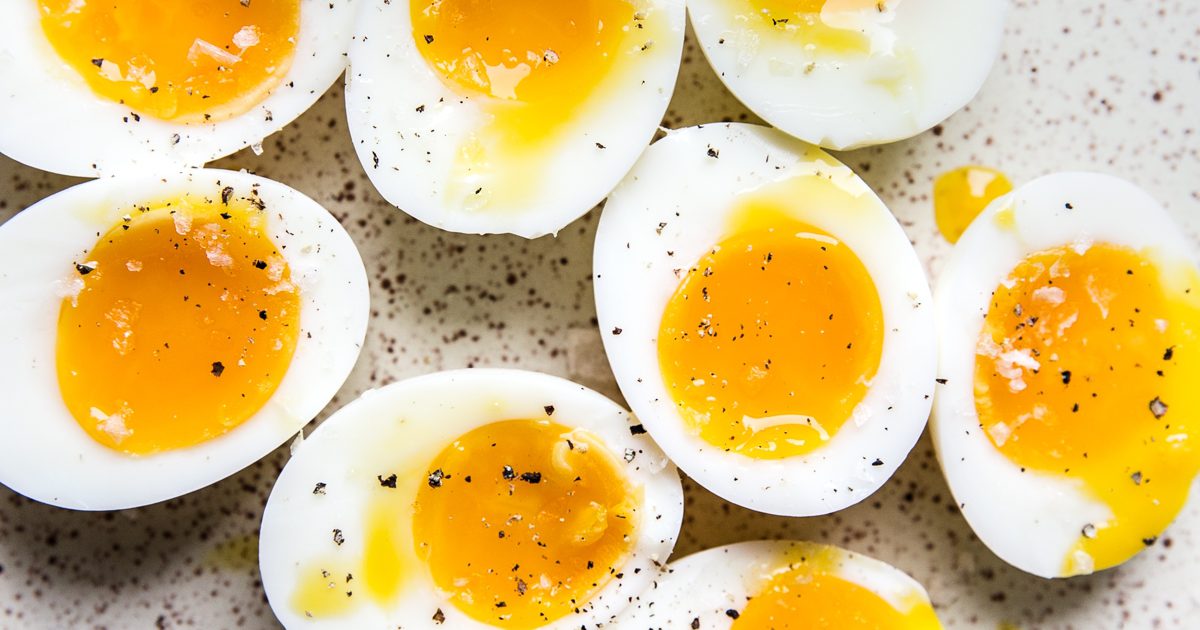
Perfect Soft-Boiled Eggs: The 6-Minute Secret for Firm Whites & Liquid Yolks
There are few culinary delights as simple yet profoundly satisfying as a perfectly executed soft-boiled egg. Imagine: a tender, just-set white giving way to a warm, luscious, golden yolk that’s either wonderfully runny or beautifully jammy. These little powerhouses elevate everything from a humble slice of toast to a gourmet ramen bowl, a vibrant grain salad, or even a sophisticated appetizer. Achieving this level of perfection for your
soft boiled eggs doesn't require a culinary degree, but rather precision and a touch of know-how. And the secret to consistently firm whites and liquid yolks? Often, it's just six minutes.
The Allure of the Perfect Soft-Boiled Egg
What makes a truly great soft-boiled egg? It’s a delicate balance. The whites must be cooked through, no longer translucent or wobbly, yet remain tender and yielding. The yolk, however, is the star – a vibrant, molten gold ready to ooze and enrich whatever it touches. This textural contrast is what chefs and home cooks alike strive for. From adding a protein punch to your breakfast to being the crown jewel of an Asian-inspired noodle dish,
soft boiled eggs are incredibly versatile. Their creamy texture and rich flavor can transform everyday meals into something extraordinary.
But getting it right can feel like a gamble. Too long, and you're veering into hard-boiled territory with chalky yolks. Too short, and you risk undercooked whites. This article will guide you through the precise techniques, focusing on a highly reliable 6-minute method for large eggs, along with essential tips to ensure your soft-boiled egg endeavors are always a triumph.
The 6-Minute Secret: Achieving Soft-Boiled Perfection Through Boiling
While various methods exist, one of the most popular and precise ways to achieve perfect
soft boiled eggs involves a carefully timed boil. Our focus for that ideal firm white and liquid yolk is a 6-minute cook time for large eggs, a sweet spot identified through extensive testing.
Why Freshness Matters
Before we delve into the method, let's talk about your eggs. For soft-boiled eggs, unlike their hard-boiled counterparts which benefit from being older for easier peeling,
fresh eggs are paramount. Fresh eggs have a tighter, thicker albumin (egg white) which holds its shape better during cooking, resulting in a more aesthetically pleasing and texturally superior egg. Furthermore, for any egg cooked below 165°F (like a soft-boiled egg), using very fresh, pasteurized eggs is recommended from a food safety perspective, as it minimizes the risk of bacterial growth.
Step-by-Step Boiling Method for Perfect Soft-Boiled Eggs
This method prioritizes consistency and control:
- Prepare Your Pot: Select a medium-sized pot. Gently place your fresh, large eggs in a single layer at the bottom. Using a slotted spoon to lower them can help prevent cracking.
- Add Cold Water: Fill the pot with cold water, ensuring the eggs are covered by about an inch. Starting with cold water allows the eggs to heat up gradually, promoting even cooking and reducing the likelihood of cracking.
- Bring to a Rapid Boil: Place the pot over medium-high heat. Stay nearby and watch carefully. As soon as the water comes to a rapid, rolling boil – meaning large, vigorous bubbles are breaking the surface – proceed to the next step immediately.
- Turn Off Heat & Cover: The instant the water reaches a rapid boil, turn off the heat completely. Immediately cover the pot tightly with a lid. This traps the heat and continues to cook the eggs gently.
- Set Your Timer: For large eggs, set a timer for precisely 6 minutes. This is the 'secret' time that typically yields firm whites and a delightfully runny to jammy yolk. For medium eggs, you might aim for 4 to 5 minutes, and for jumbo eggs, closer to 6.5 minutes for a similar result.
- The Ice Bath: Once the timer goes off, promptly remove the eggs from the hot water using a slotted spoon. Transfer them immediately into an ice bath (a bowl of cold water with plenty of ice). Let them sit for at least 30 seconds. This crucial step stops the cooking process instantly, preventing overcooking and making them easier to handle.
- Serve Warm: Remove the eggs from the ice bath and serve warm. Since fresh soft boiled eggs can be challenging to peel perfectly without damaging the delicate white, they are often served in egg cups, allowing you to simply tap off the top and scoop out the delicious contents with a spoon, perhaps with a sprinkle of salt and pepper, or dipping toast soldiers.
Beyond the Boil: The Steaming Alternative
While boiling is the classic approach, steaming offers an equally effective, and arguably gentler, method for cooking
soft boiled eggs. Many proponents of steaming swear by its foolproof nature and, crucially, its ability to make eggs much easier to peel – a significant bonus if you plan to serve your eggs peeled, perhaps in a ramen bowl or atop a salad. If you're keen to explore this technique, you can learn more about its benefits for peeling by reading
Boil or Steam? The Best Soft-Boiled Egg Method for Easy Peeling.
Steaming Method Explained
The steaming process is straightforward and less prone to cracking than boiling:
- Prepare Your Steamer: Pour about an inch of water into a pot and bring it to a simmer. Place a colander or a bamboo steamer basket over the simmering water, ensuring the water does not touch the bottom of the basket.
- Add Eggs & Cover: Gently place your eggs (fresh, any size) into the steamer basket. Cover the pot tightly with a lid.
- Set Your Timer: Steaming times can vary slightly depending on your desired yolk consistency:
- For a super runny yolk (perfect for dipping), steam for 4 to 6 minutes.
- For a partially cooked, beautifully jammy yolk (ideal for salads or ramen), steam for 6 to 8 minutes.
Adjust these times slightly based on the size of your eggs and your personal preference. For a similar result to the 6-minute boiled egg, try steaming a large egg for around 6-7 minutes.
- Ice Bath: As soon as the timer is up, transfer the eggs immediately to an ice bath. If you plan to serve them in their shells, 30 seconds is enough to halt cooking. If you intend to peel them, let them cool in the ice bath for several minutes until they are comfortable to handle.
Steaming is a fantastic alternative, offering precise control and a consistent cook, especially for those who find peeling boiled eggs a challenge. For a comprehensive comparison of these two methods and how they affect the final result, you might find
Master Soft-Boiled Eggs: Boil or Steam for Jammy Perfection particularly insightful.
Essential Tips for Soft-Boiled Success
Beyond the cooking method, a few key considerations will elevate your
soft boiled eggs from good to unforgettable.
Peeling Challenges & Solutions
As mentioned, fresh
soft boiled eggs can be notoriously difficult to peel. The membrane beneath the shell tends to cling tightly to the fresh white. This is why serving them in egg cups is a popular, elegant solution. If peeling is a must (for ramen, salads, deviled eggs, etc.):
- Steam Them: Many find steamed eggs significantly easier to peel than boiled eggs.
- Immediate Ice Bath: The rapid temperature change helps the egg white contract, pulling away from the shell.
- Gentle Cracking: Once cooled, gently tap the egg all over on a flat surface to create a network of fine cracks.
- Peel Under Water: Peeling under a trickle of cold running water can help wash away small shell fragments and assist in separating the membrane from the white.
Serving Suggestions
The versatility of
soft boiled eggs is one of their greatest assets:
- Classic Breakfast: Served in an egg cup with toast 'soldiers' for dipping.
- Ramen & Noodle Bowls: A halved, jammy soft-boiled egg is a staple for adding richness and protein.
- Grain Bowls & Salads: Add a luxurious touch to any salad or grain bowl, its runny yolk creating a natural dressing.
- Avocado Toast: Elevate your avocado toast with a perfectly cooked soft-boiled egg on top.
- Simply Seasoned: A sprinkle of flaky sea salt and freshly cracked black pepper is often all they need.
Food Safety Considerations
When consuming eggs that are not fully cooked to 165°F (like soft-boiled eggs, which typically register around 140-150°F), it's important to be mindful of food safety. While the risk is generally low, especially with modern food safety practices, certain precautions are advisable:
- Use Pasteurized Eggs: Opt for pasteurized eggs whenever possible, as this process significantly reduces the microbial risk, including salmonella.
- Freshness is Key: As highlighted, very fresh eggs are best for both quality and safety.
- Storage: Always store eggs in the refrigerator and consume them within their best-by date.
Conclusion
Mastering the art of the perfect
soft boiled egg is a rewarding endeavor that adds a touch of culinary elegance to countless dishes. Whether you adhere strictly to the 6-minute boiling secret for firm whites and liquid yolks, or prefer the gentler, easier-to-peel steaming method, precision and attention to detail are your best allies. With fresh eggs, careful timing, and the immediate cooling power of an ice bath, you're now equipped to create exquisitely creamy, molten-yolked eggs every single time. So, go ahead – crack into the world of perfect soft-boiled eggs and elevate your everyday meals with this simple yet sublime culinary masterpiece.